


Building an MIT culture of listening and shared understanding.
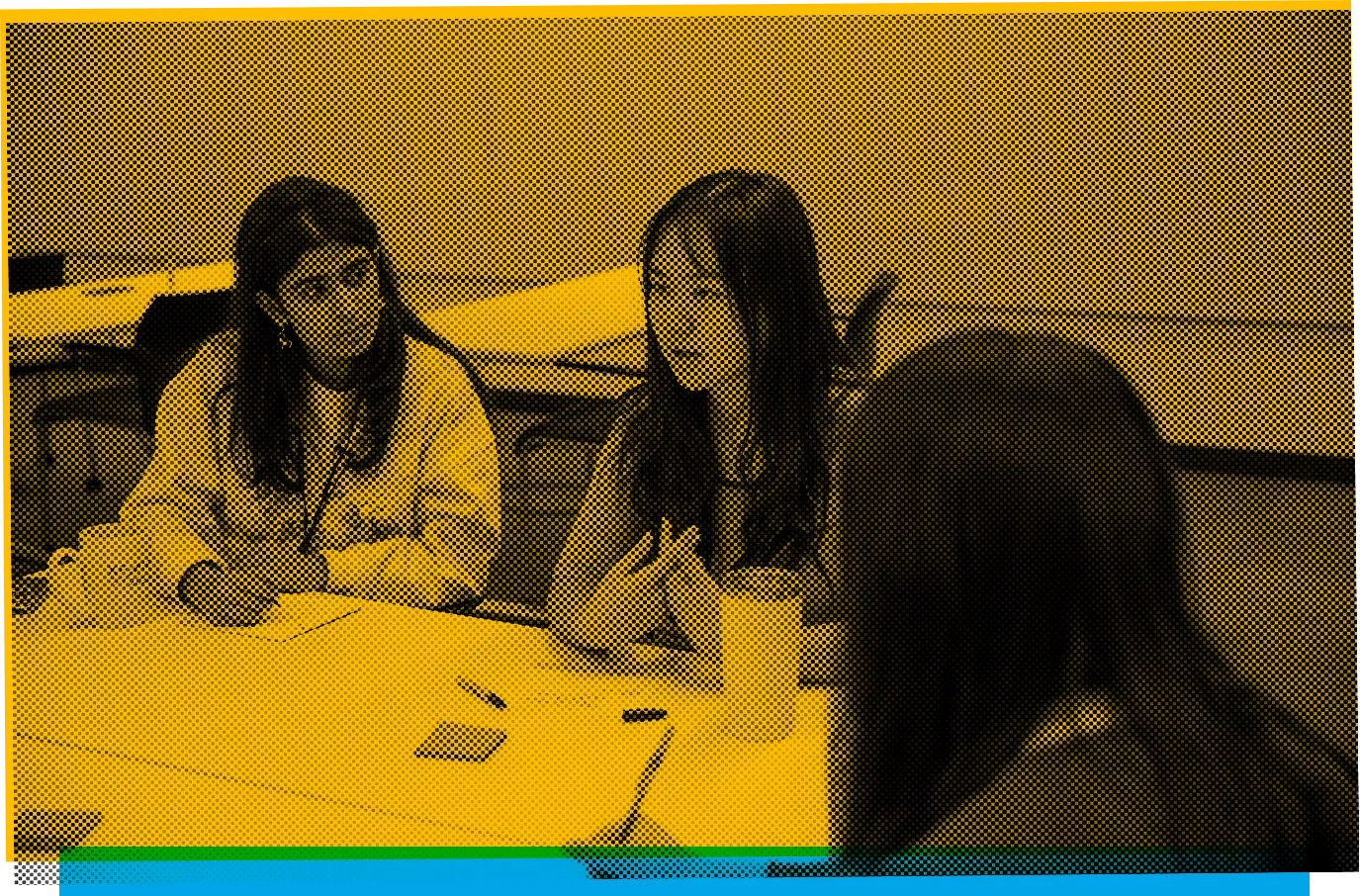
Community Impact Starts with a Conversation
.png)
Tech to help you hear and be heard.
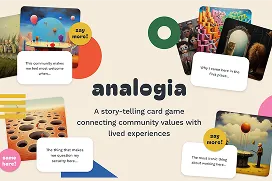
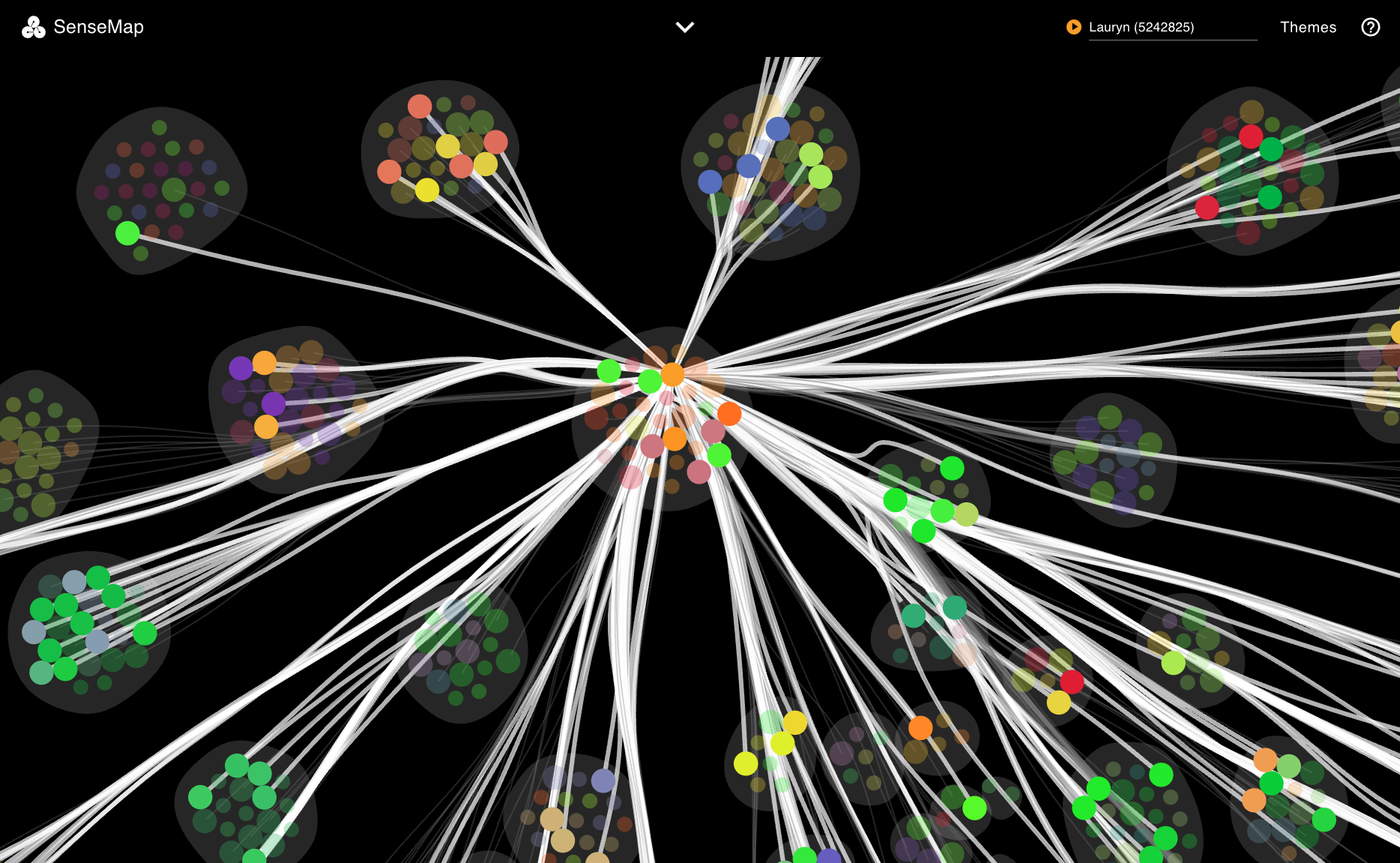
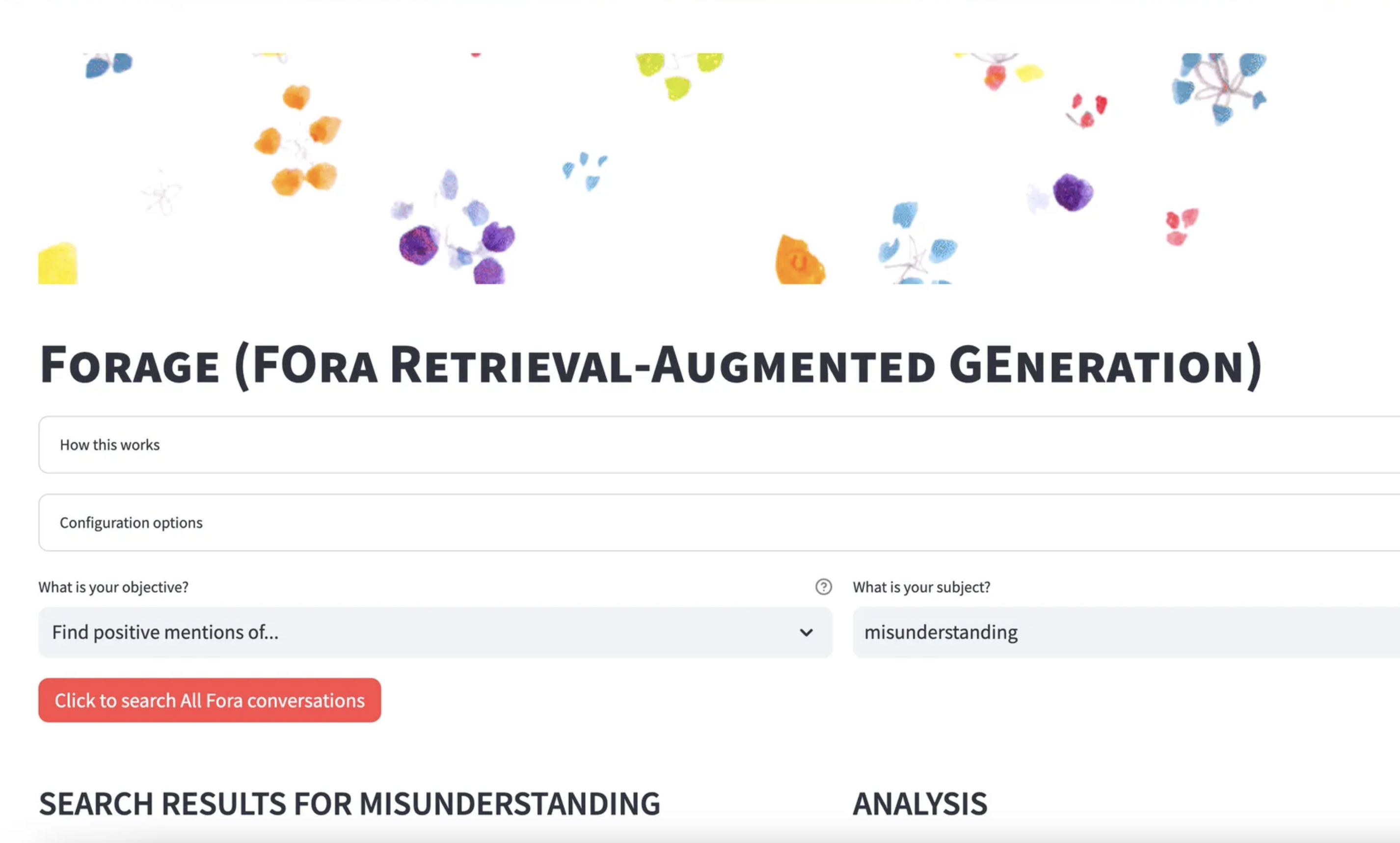
realtalk@MIT partners with Cortico for audio processing and human-steered AI sensemaking tools, and with the MIT Center for Constructive Communication to develop experimental prototypes that assist with everything from research-backed conversation guides to creative data visualizations and playful conversation games.
Participating in a realtalk@MIT project and have questions? Reach out to your project organizer, or directly to us at realtalk@mit.edu!
.png)
FAQ
About the Program
What are realtalk@MIT's goals?
Our goal is to establish trusted communication channels and build a culture of listening and shared understanding across boundaries at MIT, giving all members of our community the opportunity to hear – and be heard. realtalkt@MIT also provides participants an opportunity to discover new connections and hear new community perspectives, and to elevate their own voices and stories to leaders who may not otherwise hear them.
How is realtalk@MIT funded?
The initial realtalk@MIT pilot was funded by the MIT Values Statement Committee and the Office of the Provost, with strong staff and student support from CCC. To expand realtalk’s deployment across MIT, the program received funding in 2024 from the Office of the President and the Office of the Provost to support additional personnel and operations.
Does realtalk@MIT have a political agenda?
No. We believe in the value of a pluralistic democracy, and that hearing the humanity in others is necessary for democracies to function.
For Participants
What happens to my audio if I participate in a recorded conversation?
realtalk@MIT partners with Cortico, a non-profit social technology company that is a field collaborator of the Center for Constructive Communication, for audio data processing and storage. Recordings from realtalk@MIT projects are transcribed (typically via AI transcription) and both transcribed text and original audio are stored by Cortico. From there, select audio or transcribed text may be used in realtalk@MIT project outputs or prototypes, only with your consent.
You can read more about Cortico’s data policies here, and the realtalk@MIT team is always available at realtalk@mit.edu to answer questions.
Who can see or hear what I said?
By default, only other participants from your conversation and a limited number of realtalk@MIT program facilitators and Cortico staff can access your original recording and transcript. You will always be provided with information about the intended use of your recordings for the project you participate in, and audio or transcribed text from your conversation are never shared further than this default group without your consent.
Can I be anonymous?
You may choose to use a pseudonym in lieu of your name for any given conversation.
What if I change my mind and want to remove something I said?
Participants may always request redaction or removal of their recordings. Participants who would like to request a redaction should contact realtalk@mit.edu, specifying what they like to remove and provide details on which conversation they were in.
Will realtalk@MIT recorded data be used for research?
realtalk@MIT recorded audio, transcripts, app interaction data, and participant feedback may be used to evaluate program impact and improve tools and methods. Some projects may also provide participants the opportunity to additionally allow their data to be used by the Center for Constructive Communication for academic research purposes. This additional consent is never a requirement for realtalk@MIT participation, and can be retracted at any time.
What if sensitive information is shared during a realtalk@MIT project?
The realtalk@MIT team is prepared to flag sensitive information in two categories:
1. A participant in a conversation says something that could harm them if shared widely. When such content is flagged by anyone – a facilitator, sensemaker, realtalk team member, or even a member of the community upon hearing a highlight – the realtalk team will flag the concern with the speaker, make sure they want the highlight to be shared, and unshare and/or redact depending on the wishes of the speaker.
2. A person shares a reportable incident that an MIT office would typically address – e.g., a specific assertion of discriminatory or abusive behavior on campus or specific thoughts of self-harm. In such situations, the realtalk@MIT team will file a general report to the appropriate office, remove and delete the recorded content from the realtalk program, let the participants of the conversation know this has been done, and give the person who shared the reportable incident guidance on where at MIT (e.g., IDHR, HR, MIT Health) they should redirect their report.