

Hear – And Be Heard
Building an MIT culture of listening and shared understanding.
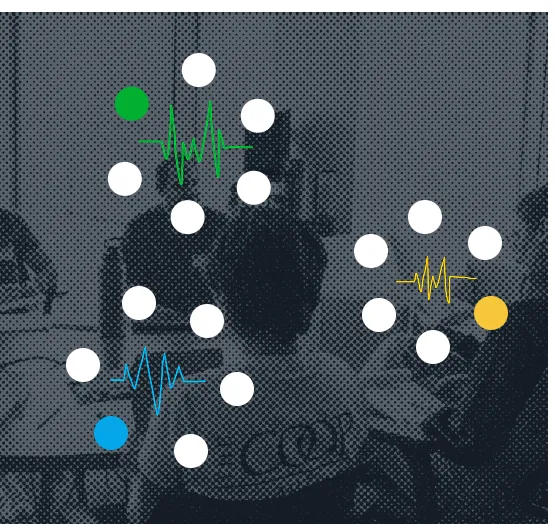
Talk

Understand
Share
Participants are always in control of whether their voices are shared further—we move at the speed of trust.
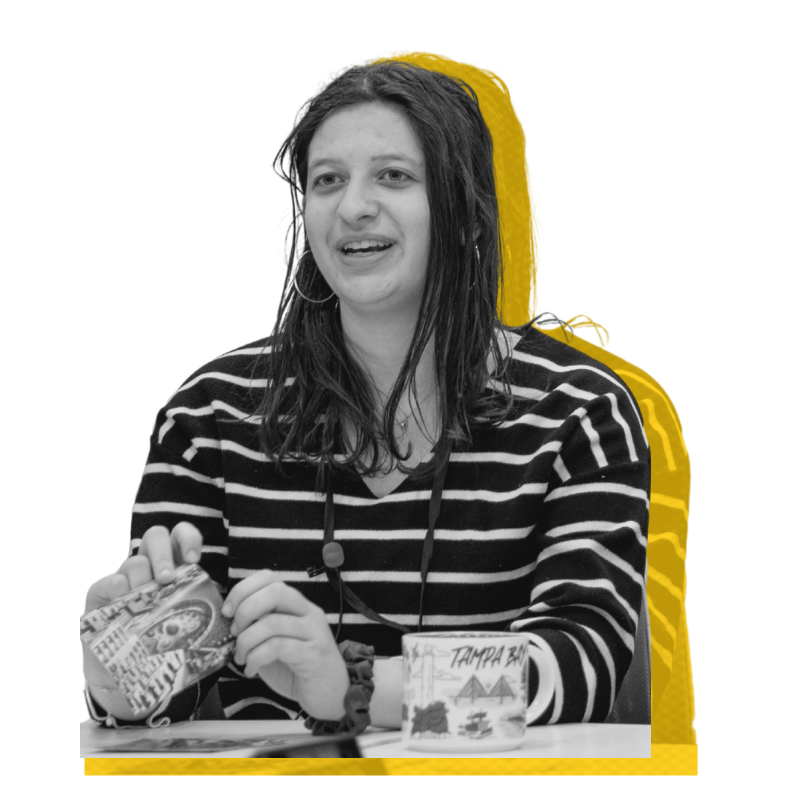
Hannah Flitman
Undergraduate Delegate in the 2025 Student Assembly
"Yes, it's a widespread problem, but there's also a lot of really inspiring and really intelligent people out there who really want to create a solution."
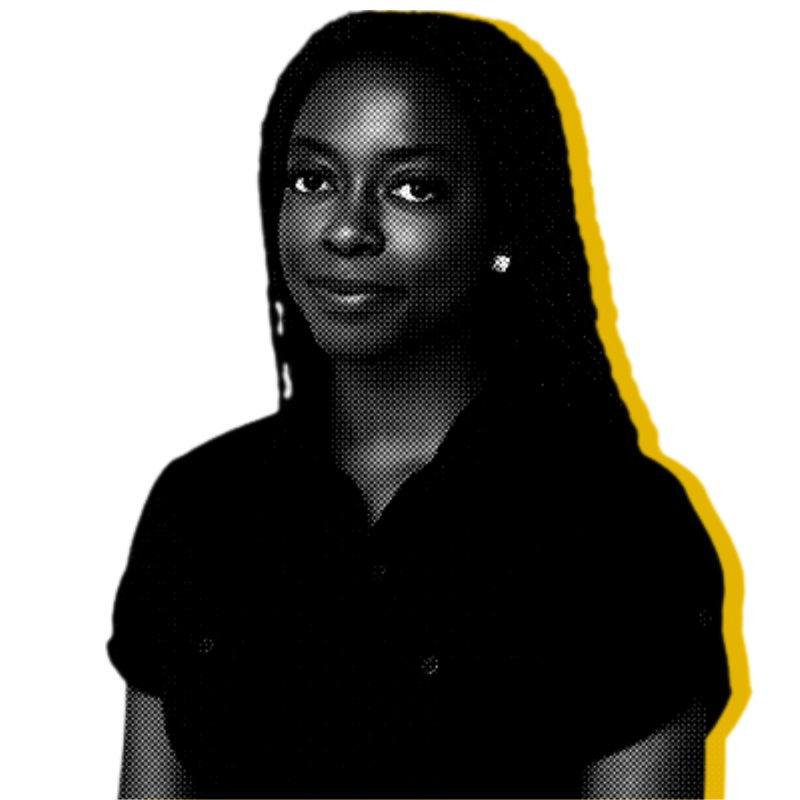
Alma Jam
Diversity, Equity, Inclusion Belonging Officer, MIT Media Lab
"I honestly think it's just, it's beautiful... You can see the diversity in the submissions. People choosing to share different aspects of what they felt was meaningful to share with the world."
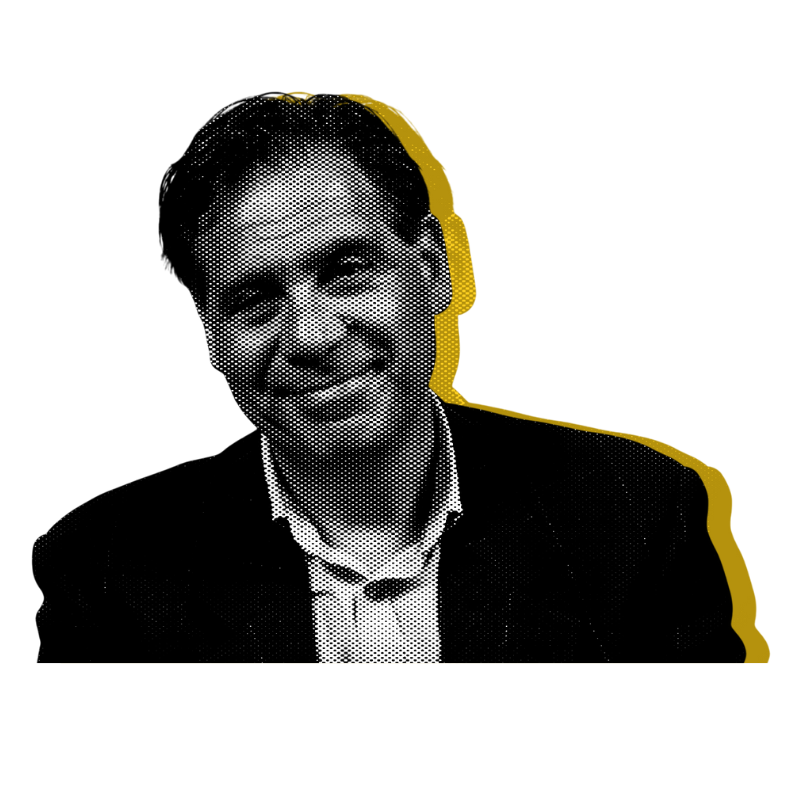
Dr. Andreas Karatsolis
Senior Lecturer and Director, MIT WRAP
"What this whole process has done is it's given me the sense that it's not...about me making decisions based on the data. It should really be about me empowering them to do stuff based on these conversations...to open up doors and help them be heard."
MIT Undergraduate
Discourse Dinners Participant
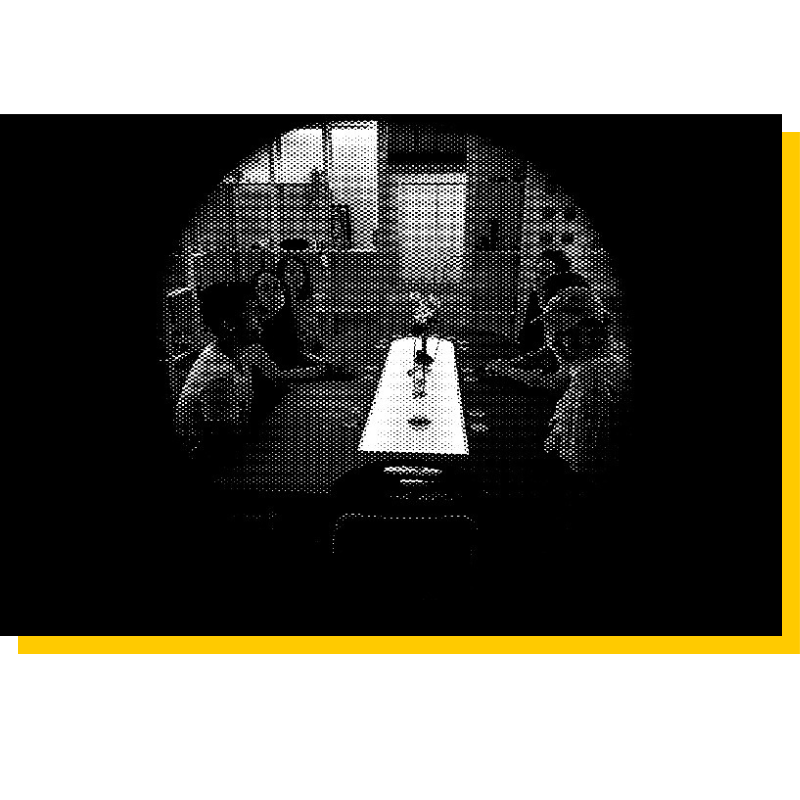
"The first thing you typically would do is just look at your phone. And not having that was nice. I was forced to be uncomfortable, and I don't think I give myself a lot of chances to be uncomfortable intentionally."
Lana Cook
Associate Director of the MIT Systems Awareness Lab
“Yeah, I really appreciate your willingness to… show up in this space and really be there and present with the participants. So that wasn't just a team of, like, technologists who are coming in with, like, a shiny tool. It was more about, like, oh, how do we really hold this community space in a way that people can share and be heard?”
Miguel Buitrago
Undergraduate Association’s Public Affairs Committee
“I think PB would be a way to like, show people, like, hey, here there's money. You have ideas, you like. Any person likes to complain. Yes, let's make it happen. Let's make your ideas happen. You have agency over what can happen.”

deb roy, mit ccc director